The Navkar (Namokar) Mantraणमोकार (नवकार) महामंत्र
The Navkar Mantra is the first prayer every Jain child learns and the last words many Jains hope to hear. In five short lines it bows to the qualities of the five supreme beings, without asking for anything in return.णमोकार मंत्र वह पहली प्रार्थना है जो हर जैन बालक सीखता है, और वे अंतिम शब्द भी जिन्हें अनेक जैन जीवन के अंत में सुनना चाहते हैं। पाँच छोटी पंक्तियों में यह पाँच परमेष्ठियों के गुणों को नमन करता है, बदले में कुछ भी माँगे बिना।
8 min read8 मिनट पढ़ेंHindi · Englishहिंदी · English
In 30 seconds30 सेकंड में
The Navkar (Namokar) Mantra is in Prakrit and bows to the Arihants, Siddhas, Acharyas, Upadhyayas and all Sadhus: together called the Pancha Parameshthi, the five supreme beings.
It names no person and asks for nothing. It honours qualities, so every Jain tradition recites it.
Shwetambar Jains usually add a four-line closing (Chulika); Digambar practice typically recites the five lines.
Tradition counts 108 qualities in the five (12 + 8 + 36 + 25 + 27), one reason a Jain mala has 108 beads.
On 9 April 2025 the Prime Minister inaugurated Navkar Mahamantra Divas at Vigyan Bhawan, New Delhi, and joined the collective chant.
णमोकार (नवकार) मंत्र प्राकृत भाषा में है और अरिहंतों, सिद्धों, आचार्यों, उपाध्यायों और सभी साधुओं को नमन करता है; इन्हें मिलाकर पंच परमेष्ठी कहा जाता है।
इसमें किसी व्यक्ति का नाम नहीं है और कोई माँग नहीं है। यह गुणों का वंदन है, इसलिए सभी जैन परंपराएँ इसका जाप करती हैं।
श्वेतांबर परंपरा में प्रायः चार पंक्तियों की चूलिका भी जोड़ी जाती है; दिगंबर परंपरा में सामान्यतः पाँच पद ही पढ़े जाते हैं।
परंपरा पाँचों परमेष्ठियों के कुल 108 गुण मानती है (12 + 8 + 36 + 25 + 27); जाप की माला में 108 मनके होने का यह भी एक कारण है।
9 अप्रैल 2025 को प्रधानमंत्री ने विज्ञान भवन, नई दिल्ली में नवकार महामंत्र दिवस का उद्घाटन किया और सामूहिक जाप में भाग लिया।
In plain English: I bow to the Arihants. I bow to the Siddhas. I bow to the Acharyas. I bow to the Upadhyayas. I bow to all the Sadhus in the world. The last four lines, the Chulika, say: this fivefold salutation destroys all wrongdoing, and of all auspicious things it is the first and foremost.
सरल अर्थ: अरिहंतों को नमस्कार। सिद्धों को नमस्कार। आचार्यों को नमस्कार। उपाध्यायों को नमस्कार। लोक के सभी साधुओं को नमस्कार। अंतिम चार पंक्तियाँ, जिन्हें चूलिका कहते हैं, बताती हैं: यह पाँच नमस्कार सभी पापों का नाश करने वाला है, और सभी मंगलों में पहला (सर्वश्रेष्ठ) मंगल है।
The name "Navkar" is the everyday form of the Prakrit word for salutation (namokkar); "Namokar" and "Namaskar Mantra" are other names for it. Because it is held to be the greatest of mantras, it is also called the Mahamantra.
"नवकार" प्राकृत शब्द "णमोक्कार" (नमस्कार) का प्रचलित रूप है; इसे णमोकार मंत्र या नमस्कार मंत्र भी कहते हैं। सब मंत्रों में श्रेष्ठ माने जाने के कारण इसे महामंत्र भी कहा जाता है।
Tradition note: Shwetambar Jains recite all nine lines, including the Chulika. Digambar practice typically recites the five lines of salutation. Spellings also vary between texts (णमो / नमो, अरिहंताणं / अरहंताणं); the meaning is the same.परंपरा संबंधी टिप्पणी: श्वेतांबर समाज चूलिका सहित नौ पंक्तियों का पाठ करता है। दिगंबर परंपरा में सामान्यतः नमस्कार के पाँच पद ही पढ़े जाते हैं। ग्रंथों में वर्तनी भी कुछ भिन्न मिलती है (णमो / नमो, अरिहंताणं / अरहंताणं); अर्थ एक ही है।
Word by wordशब्दशः अर्थ
The mantra is in Prakrit, the language of the early Jain scriptures. Each line has the same shape: "namo" (I bow) followed by a noun in the plural, showing respect to every being who has reached that state, not to one individual.
यह मंत्र प्राकृत में है, जो प्रारंभिक जैन आगमों की भाषा है। हर पद की बनावट एक-सी है: "णमो" (नमस्कार हो) और उसके बाद बहुवचन संज्ञा, अर्थात् उस अवस्था को प्राप्त हर आत्मा को नमन, किसी एक व्यक्ति को नहीं।
Prakrit wordप्राकृत शब्द
Hindi meaningहिंदी अर्थ
English meaningअंग्रेज़ी अर्थ
णमो (namo)
नमस्कार हो
I bow; salutation
अरिहंताणं (arihantanam)
अरिहंतों को
to the Arihants, who have destroyed the inner enemies
सिद्धाणं (siddhanam)
सिद्धों को
to the Siddhas, the fully liberated souls
आयरियाणं (ayariyanam)
आचार्यों को
to the Acharyas, the heads of the monastic order
उवज्झायाणं (uvajjhayanam)
उपाध्यायों को
to the Upadhyayas, the teaching monks
लोए (loe)
लोक में
in the world
सव्व (savva)
सभी
all
साहूणं (sahunam)
साधुओं को
to the Sadhus, monks and nuns
णमो
नमस्कार हो
I bow; salutation
अरिहंताणं
अरिहंतों को, जिन्होंने आंतरिक शत्रुओं का नाश किया
to the Arihants
सिद्धाणं
सिद्धों को, पूर्ण मुक्त आत्माओं को
to the Siddhas
आयरियाणं
आचार्यों को, संघ के नायकों को
to the Acharyas
उवज्झायाणं
उपाध्यायों को, शास्त्र पढ़ाने वाले मुनियों को
to the Upadhyayas
लोए
लोक में
in the world
सव्व
सभी
all
साहूणं
साधुओं को (साधु-साध्वी)
to the Sadhus
The five supreme beingsपंच परमेष्ठी
"Parameshthi" means one who stands in the highest place. The first two have already reached perfection; the last three are still on the path, but have given up worldly life to walk it fully and to guide others.
"परमेष्ठी" का अर्थ है जो परम (सर्वोच्च) पद पर स्थित हो। पहले दो पूर्णता प्राप्त कर चुके हैं; अंतिम तीन अभी मार्ग पर हैं, पर उन्होंने संसार छोड़कर पूरी तरह उस मार्ग को अपनाया है और दूसरों को भी राह दिखाते हैं।
ArihantअरिहंतAn omniscient soul still in a human body, who has destroyed the four destructive karmas and teaches the path. The Tirthankaras are Arihants.देहधारी सर्वज्ञ आत्मा, जिसने चार घातिया कर्मों का नाश किया है और मोक्षमार्ग का उपदेश देती है। तीर्थंकर अरिहंत होते हैं।
Siddhaसिद्धA soul free of all eight karmas and of the body, dwelling forever at Siddhashila at the top of the universe.आठों कर्मों और शरीर से पूर्णतः मुक्त आत्मा, जो लोक के शिखर पर सिद्धशिला में सदा विराजमान है।
Acharyaआचार्यThe head of a monastic community, who keeps the discipline and leads monks, nuns and lay followers.मुनि संघ के नायक, जो अनुशासन का पालन करवाते हैं और साधु-साध्वियों व श्रावकों का मार्गदर्शन करते हैं।
Upadhyayaउपाध्यायA learned monk who studies the scriptures deeply and teaches them to other monks and nuns.विद्वान मुनि, जो शास्त्रों का गहन अध्ययन करते हैं और अन्य साधुओं को पढ़ाते हैं।
SadhuसाधुEvery monk and nun who has taken the five great vows, wherever they may be "in the world".पाँच महाव्रत धारण करने वाले सभी साधु-साध्वी, वे "लोक" में कहीं भी हों।
Why the Arihant comes before the Siddhaसिद्ध से पहले अरिहंत क्यों?
A Siddha has gone further than an Arihant, having shed every karma. Yet the mantra greets the Arihant first. The traditional explanation is gratitude: it is the Arihant who, while still among us, teaches the path, and it is through that teaching that we know Siddhas exist at all.
सिद्ध, अरिहंत से भी आगे की अवस्था है, क्योंकि उन्होंने सभी कर्म नष्ट कर दिए हैं। फिर भी मंत्र में पहला नमन अरिहंत को है। परंपरागत उत्तर है कृतज्ञता: अरिहंत ही देह में रहते हुए हमें मार्ग बताते हैं, और उन्हीं के उपदेश से हम जानते हैं कि सिद्ध भगवान होते हैं।
Photo: Public domain, via Wikimedia CommonsA Siddhachakra (15th century): the Arihant at the centre, with the Siddha, Acharya, Upadhyaya and Sadhu around it.सिद्धचक्र (15वीं शताब्दी): मध्य में अरिहंत, और उनके चारों ओर सिद्ध, आचार्य, उपाध्याय व साधु।
The 108 qualities108 गुण
Jain tradition describes each of the five by a set number of qualities (guna). In the widely taught count they add up to 108. The Prime Minister cited exactly this count in his address on Navkar Mahamantra Divas.
जैन परंपरा पाँचों परमेष्ठियों का वर्णन निश्चित संख्या के गुणों से करती है। प्रचलित गणना में इनका योग 108 होता है। प्रधानमंत्री ने नवकार महामंत्र दिवस के संबोधन में यही गणना उद्धृत की थी।
Parameshthiपरमेष्ठी
Qualitiesगुण
What they includeइनमें क्या शामिल है
Arihant
12
Including the eight divine splendours (pratiharya) seen around a Tirthankara, such as the Ashoka tree, the triple umbrella and the divine sound
Siddha
8
One quality revealed by the destruction of each of the eight karmas, such as infinite knowledge and infinite perception
Acharya
36
Virtues of conduct and leadership; the two traditions list them differently
Upadhyaya
25
Linked to mastery of the scriptures; the Digambar list counts the 11 Angas and 14 Purvas
Sadhu
27
Core disciplines of monastic life, such as the great vows and control of the senses
Total
108
अरिहंत
12
जिनमें तीर्थंकर के आठ प्रातिहार्य शामिल हैं, जैसे अशोक वृक्ष, तीन छत्र और दिव्यध्वनि
सिद्ध
8
आठ कर्मों में से प्रत्येक के नाश से प्रकट एक गुण, जैसे अनंत ज्ञान और अनंत दर्शन
आचार्य
36
आचरण और नेतृत्व के गुण; दोनों परंपराओं की सूचियाँ अलग हैं
उपाध्याय
25
शास्त्र-ज्ञान से जुड़े; दिगंबर सूची में 11 अंग और 14 पूर्व गिने जाते हैं
साधु
27
मुनि जीवन के मूल अनुशासन, जैसे महाव्रत और इंद्रिय-संयम
योग
108
Both traditions arrive at the same totals for each group, but the individual items in the lists differ in places. Digambar texts also teach a fuller description of the Arihant with 46 qualities, and of the Digambar muni with 28 root virtues (mulguna).दोनों परंपराओं में हर परमेष्ठी के गुणों की संख्या समान है, पर सूची के कुछ गुण अलग हैं। दिगंबर ग्रंथों में अरिहंत के 46 गुणों और दिगंबर मुनि के 28 मूलगुणों का विस्तृत वर्णन भी मिलता है।
Qualities, not personsव्यक्ति नहीं, गुण
The Navkar Mantra does not name Bhagwan Mahavir, Bhagwan Rishabhdev or any other Tirthankara. It does not name a guru, a family, a sect or a place. It bows to states of the soul. Anyone, in any age, who destroys the inner enemies becomes an Arihant; anyone who sheds all karma becomes a Siddha. In this way the mantra honours an ideal that is open to every soul.
णमोकार मंत्र में न भगवान महावीर का नाम है, न भगवान ऋषभदेव का, न किसी और तीर्थंकर का। इसमें किसी गुरु, कुल, पंथ या स्थान का भी नाम नहीं है। यह आत्मा की अवस्थाओं को नमन करता है। किसी भी युग में जो भी आत्मा आंतरिक शत्रुओं को जीत ले, वह अरिहंत है; जो सभी कर्मों से मुक्त हो जाए, वह सिद्ध है। इस प्रकार यह मंत्र उस आदर्श को नमन करता है जो हर आत्मा के लिए खुला है।
This is why the mantra unites the community. Digambar, Shwetambar, Sthanakvasi and Terapanthi Jains all recite it, and it is usually the first text taught in any Jain pathshala. It also asks for nothing: no wealth, health or favour. Jain tradition holds that sincere reverence for these qualities purifies the one who bows, and that is its blessing.
इसी कारण यह मंत्र पूरे समाज को जोड़ता है। दिगंबर, श्वेतांबर, स्थानकवासी और तेरापंथी, सभी इसका जाप करते हैं, और किसी भी जैन पाठशाला में प्रायः यही सबसे पहले सिखाया जाता है। इसमें कोई याचना भी नहीं है: न धन, न स्वास्थ्य, न कोई वरदान। जैन परंपरा मानती है कि इन गुणों के प्रति सच्ची श्रद्धा नमन करने वाले को ही निर्मल करती है, और यही इसका आशीर्वाद है।
Photo: Public domain, via Wikimedia CommonsA Samavasarana (Rajasthan, c. 1800): the Arihant teaching all beings, humans, animals and gods together.समवसरण (राजस्थान, लगभग 1800): अरिहंत भगवान सभी जीवों, मनुष्यों, पशुओं और देवों को एक साथ उपदेश देते हुए।
How and when it is recitedजाप कैसे और कब
There is no fixed rule of time or place for the Navkar; it can be recited by anyone, anywhere. Some customs are widely followed:
णमोकार मंत्र के लिए समय या स्थान का कोई कठोर नियम नहीं है; कोई भी, कहीं भी इसका स्मरण कर सकता है। फिर भी कुछ रीतियाँ व्यापक रूप से प्रचलित हैं:
On waking: many Jains recite it before rising, and the day's first discipline, navkarsi (taking nothing until 48 minutes after sunrise), is named after it.
With a mala: japa is done on a rosary of 108 beads, one recitation per bead, often in multiples such as 9, 27 or 108.
Before meals, travel or new work: it is recited before eating, before setting out on a journey, and before beginning anything important.
Before sleep and at life's end: it is recited at night, and families recite it softly beside a dying relative.
In worship: it opens puja, samayik, pratikraman and almost every Jain gathering.
जागने पर: अनेक जैन बिस्तर छोड़ने से पहले इसका स्मरण करते हैं, और दिन का पहला नियम नवकारसी (सूर्योदय के 48 मिनट बाद तक कुछ न लेना) इसी के नाम पर है।
माला से: 108 मनकों की माला पर, हर मनके पर एक बार, जाप किया जाता है; प्रायः 9, 27 या 108 के क्रम में।
भोजन, यात्रा या नए काम से पहले: भोजन से पहले, यात्रा पर निकलते समय और कोई भी महत्वपूर्ण कार्य आरंभ करने से पहले इसका पाठ होता है।
सोने से पहले और जीवन के अंत में: रात को इसका स्मरण किया जाता है, और परिवारजन अंतिम समय में अपने प्रियजन के पास धीरे-धीरे इसका पाठ करते हैं।
पूजा में: पूजा, सामायिक, प्रतिक्रमण और लगभग हर जैन आयोजन इसी से आरंभ होता है।
Teachers advise reciting slowly and with attention, picturing the meaning of each line, rather than counting quickly. A short recitation done with a calm mind is valued above a long one done carelessly. See also Practice, Festivals & Tirths.
गुरुजन सलाह देते हैं कि जल्दी-जल्दी गिनती पूरी करने के बजाय धीरे और ध्यान से, हर पद का अर्थ मन में रखते हुए जाप करें। शांत मन से किया गया थोड़ा-सा जाप, असावधानी से किए लंबे जाप से श्रेष्ठ माना जाता है। यह भी देखें: साधना, पर्व व तीर्थ।
On 9 April 2025, on the eve of Mahavir Jayanti, Prime Minister Narendra Modi inaugurated Navkar Mahamantra Divas at Vigyan Bhawan, New Delhi. He recited the mantra and joined the collective chant, in which, according to the Government of India, people from more than 108 countries took part. In his address he spoke of the mantra as a path of self-purification, explained that it honours the 108 qualities of the Pancha Parameshthi, and proposed nine resolutions for citizens, among them saving water, planting a tree in one's mother's name, keeping surroundings clean and helping the poor.
9 अप्रैल 2025 को, महावीर जयंती की पूर्व संध्या पर, प्रधानमंत्री श्री नरेंद्र मोदी ने विज्ञान भवन, नई दिल्ली में नवकार महामंत्र दिवस का उद्घाटन किया। उन्होंने मंत्र का पाठ किया और सामूहिक जाप में भाग लिया; भारत सरकार के अनुसार इस जाप में 108 से अधिक देशों के लोग जुड़े। अपने संबोधन में उन्होंने इस मंत्र को आत्मशुद्धि का मार्ग बताया, पंच परमेष्ठी के 108 गुणों का उल्लेख किया, और नागरिकों के लिए नौ संकल्प रखे, जिनमें जल संरक्षण, माँ के नाम एक पेड़ लगाना, स्वच्छता और गरीबों की सहायता शामिल हैं।
PM Narendra Modi chants the Navkar Mahamantra: the collective recitation at Navkar Mahamantra Divas (19 min).प्रधानमंत्री श्री नरेंद्र मोदी द्वारा नवकार महामंत्र का जाप: नवकार महामंत्र दिवस पर सामूहिक पाठ (19 मिनट)।
पंच परमेष्ठी को व्यापक संदर्भ में समझने के लिए देखें: 24 तीर्थंकर और दर्शन।
Sourcesस्रोत
Written in our own words from the Government of India sources and works by award-honoured scholars listed below, together with the classical texts they cite. Where traditions differ, this is noted.नीचे दिए भारत सरकार के स्रोतों, सम्मानित विद्वानों की कृतियों और उनमें उद्धृत शास्त्रों के आधार पर अपने शब्दों में लिखा गया। जहाँ परंपराओं में मतभेद है, वहाँ उल्लेख किया गया है।
Saman Suttam (756 Prakrit verses, compiled by Kshullak Jinendra Varni at the inspiration of Acharya Vinoba Bhave; approved by an assembly of all Jain traditions, 1974)
Acharya Umaswami (Umasvati), Tattvartha Sutra, the one text accepted by all Jain traditions
भूमि पूजन एवं शिलान्यास · 6 दिसंबर 2026 (रविवार)Bhoomi Pujan & Shilanyas · 6 Dec 2026 (Sunday)
अपना पंजीकरण करेंRegister Yourself
स्टैच्यू ऑफ प्योरिटी के शिलान्यास के साक्षी बनें — अष्टापद तीर्थ जैन मंदिर, बिलासपुर चौक, NH-48, गुरुग्राम।Witness the Shilanyas of the Statue of Purity at Ashtapad Tirth Jain Mandir, Bilaspur Chowk, NH-48, Gurugram.
जय जिनेन्द्र!आपका पंजीकरण हो गया है। 6 दिसंबर को शिलान्यास समारोह में आपका हार्दिक स्वागत है।You are registered. We look forward to welcoming you at the Shilanyas ceremony on 6 December.
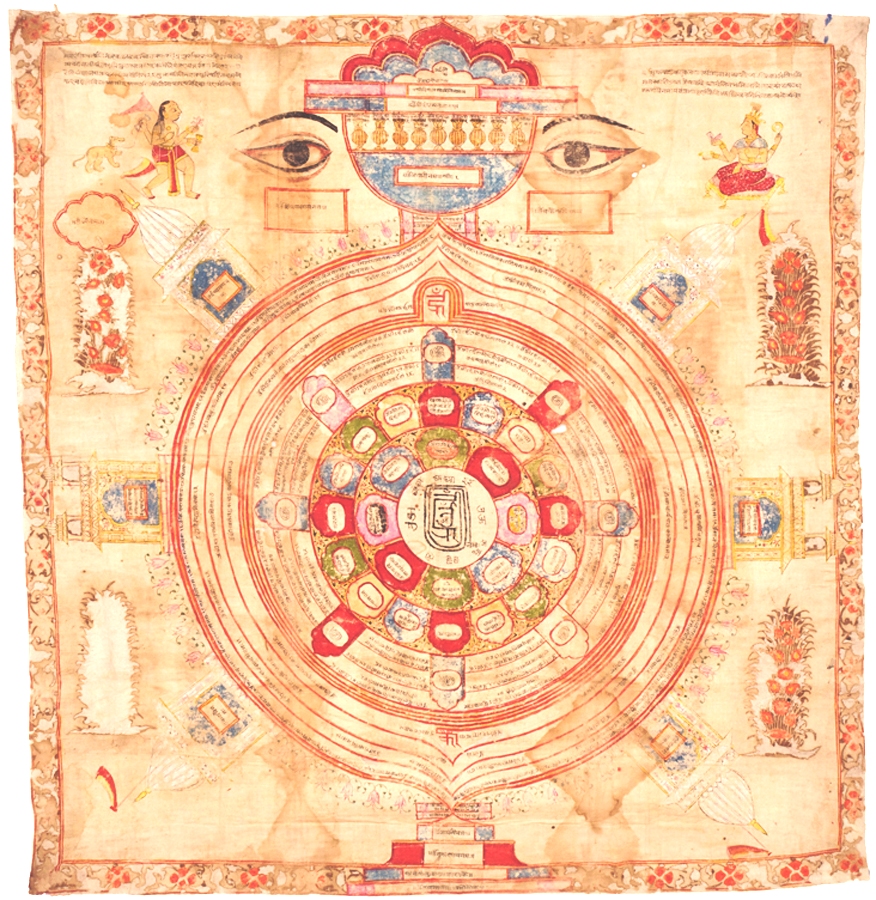
 Photo: Public domain, via Wikimedia Commons