What a Jain day looks like: darshan and puja, samayik and pratikraman, the discipline of food, the festivals of the year and the great places of pilgrimage.जैन दिनचर्या कैसी होती है: दर्शन और पूजा, सामायिक और प्रतिक्रमण, आहार का विवेक, वर्ष के पर्व और प्रमुख तीर्थ।
9 min read9 मिनट पढ़ेंHindi · Englishहिंदी · English
In 30 seconds30 सेकंड में
Daily duties include worship, study, self-restraint, austerity and giving.
Puja with eight offerings is a reminder of qualities, not a request for favours.
Samayik (48 minutes of equanimity) and pratikraman (self-examination) are core practices.
See the 2026–27 festival calendar below.
दैनिक कर्तव्यों में पूजा, स्वाध्याय, संयम, तप और दान हैं।
अष्ट-द्रव्य पूजा गुणों का स्मरण है, वरदान की माँग नहीं।
सामायिक (48 मिनट समता) और प्रतिक्रमण (आत्म-निरीक्षण) मुख्य साधनाएँ हैं।
नीचे 2026–27 का पर्व-पंचांग देखें।
The daily duties of a householderश्रावक के दैनिक कर्तव्य
Digambar texts list six daily duties (shat-avashyak) for the householder: Dev puja (worship of the Jina), Guru upasti (serving and listening to monks), Svadhyaya (study of scripture), Sanyam (self-restraint), Tap (austerity) and Daan (giving). The Shwetambar tradition has six essential observances: Samayik, Chaturvimshati-stava (praise of the 24 Tirthankaras), Vandana (bowing to the guru), Pratikraman, Kayotsarga (standing or sitting still, detached from the body) and Pratyakhyan (taking a resolve to give something up).
दिगंबर ग्रंथ गृहस्थ के छह दैनिक कर्तव्य बताते हैं: देव पूजा, गुरु उपास्ति, स्वाध्याय, संयम, तप और दान। श्वेतांबर परंपरा में छह आवश्यक हैं: सामायिक, चतुर्विंशति-स्तव (24 तीर्थंकरों की स्तुति), वंदना, प्रतिक्रमण, कायोत्सर्ग (देह से ममत्व हटाकर स्थिर ध्यान) और प्रत्याख्यान (किसी त्याग का संकल्प)।
A typical day begins before sunrise with the Navkar Mantra, followed by darshan at the temple; many observe navkarsi, taking nothing until 48 minutes after sunrise.
सामान्य दिन सूर्योदय से पहले णमोकार मंत्र से आरंभ होता है, फिर मंदिर में दर्शन; अनेक लोग नवकारसी का पालन करते हैं, अर्थात सूर्योदय के 48 मिनट बाद तक कुछ ग्रहण नहीं करते।
Puja with eight offerings (ashta-dravya)अष्ट-द्रव्य पूजा
Jain puja is not a request for favours. Each offering is a reminder of a quality the worshipper wishes to awaken in his or her own soul. After abhishek (bathing the image), eight substances are offered:
जैन पूजा वरदान माँगने के लिए नहीं होती। हर द्रव्य उस गुण का स्मरण है जिसे पूजक अपनी आत्मा में जगाना चाहता है। अभिषेक के बाद आठ द्रव्य अर्पित किए जाते हैं:
Jal · waterजलTo wash away birth, old age and death.जन्म, जरा, मृत्यु के नाश हेतु।
Chandan · sandalचंदनTo cool the heat of worldly life.संसार-ताप की शांति हेतु।
Akshat · unbroken riceअक्षतFor the imperishable state.अक्षय पद की प्राप्ति हेतु।
Pushp · flowersपुष्पTo overcome desire.काम-वासना के नाश हेतु।
Naivedya · sweetsनैवेद्यTo end the hunger of craving.क्षुधा रोग के नाश हेतु।
Deep · lampदीपTo dispel the darkness of delusion.मोह-अंधकार के नाश हेतु।
Dhoop · incenseधूपTo burn away the eight karmas.अष्ट कर्मों के दहन हेतु।
Phal · fruitफलFor the fruit of moksha.मोक्ष-फल की प्राप्ति हेतु।
All eight together are offered as arghya. Sthanakvasi and Terapanthi Shwetambars do not worship images; their practice centres on samayik, study and reverence for monks and nuns.
आठों द्रव्य मिलाकर अर्घ्य चढ़ाया जाता है। स्थानकवासी और तेरापंथी श्वेतांबर मूर्ति पूजा नहीं करते; उनकी साधना सामायिक, स्वाध्याय और साधु-साध्वियों के प्रति श्रद्धा पर केंद्रित है।
Photo: Public domain, via Wikimedia CommonsA Siddhachakra, the sacred diagram honoured in worship (15th century).सिद्धचक्र, पूजा में आराध्य पावन यंत्र (15वीं शताब्दी)।
Samayik and Pratikramanसामायिक और प्रतिक्रमण
Samayik is 48 minutes (one muhurta) of equanimity: sitting still, setting aside all worldly activity, and treating friend and foe, gain and loss alike. It is a householder's taste of a monk's life.
सामायिक 48 मिनट (एक मुहूर्त) की समता-साधना है: सभी सांसारिक क्रियाएँ छोड़कर स्थिर बैठना, और मित्र-शत्रु, लाभ-हानि में समभाव रखना। यह गृहस्थ के लिए मुनि-जीवन का अनुभव है।
Pratikraman, "turning back", is a ritual of self-examination. The practitioner reviews the day's faults against the vows, repents them and resolves not to repeat them. It is done at dawn and dusk, and most solemnly at the end of Paryushan, when Jains ask forgiveness of all beings: khamemi savve jiva, savve jiva khamantu me, "I forgive all beings; may all beings forgive me."
प्रतिक्रमण अर्थात "पीछे लौटना" आत्म-निरीक्षण की विधि है। साधक दिन भर के दोषों को व्रतों की कसौटी पर देखता है, पश्चाताप करता है और उन्हें न दोहराने का संकल्प लेता है। यह प्रातः और संध्या को होता है, और सबसे गंभीर रूप में पर्युषण के अंत में, जब जैन सभी जीवों से क्षमा माँगते हैं: खामेमि सव्वे जीवा, सव्वे जीवा खमंतु मे, "मैं सब जीवों को क्षमा करता हूँ; सब जीव मुझे क्षमा करें।"
The discipline of foodआहार का विवेक
Because even one-sensed beings can suffer, Jain food rules aim to cause the least possible harm:
एकेंद्रिय जीव भी कष्ट अनुभव करते हैं, इसलिए जैन आहार-नियम न्यूनतम हिंसा पर आधारित हैं:
Vegetarian, without exception: no meat, fish or eggs; traditionally no honey and no alcohol.
No root vegetables for many: potatoes, onions, garlic and carrots are avoided because uprooting them destroys the whole plant and the many tiny lives in the soil.
Chauvihar / ratri bhojan tyag: no food after sunset, when small insects cannot be seen.
Filtered water, and boiled water on fasting days.
Fresh food: traditional rules limit how long cooked food, curd and flour may be kept.
पूर्ण शाकाहार: मांस, मछली, अंडा नहीं; परंपरागत रूप से शहद और मद्य भी नहीं।
जमीकंद त्याग: अनेक लोग आलू, प्याज, लहसुन, गाजर आदि नहीं खाते, क्योंकि उखाड़ने से पूरा पौधा और मिट्टी के असंख्य सूक्ष्म जीव नष्ट होते हैं।
चौविहार / रात्रि भोजन त्याग: सूर्यास्त के बाद भोजन नहीं, जब सूक्ष्म जीव दिखाई नहीं देते।
छना जल, और उपवास के दिन उबला जल।
मर्यादित आहार: पका भोजन, दही और आटा कितने समय तक रखा जा सकता है, इसके नियम।
Why each festival is celebratedहर पर्व क्यों मनाया जाता है
Every Jain festival remembers an event in the life of a Tirthankara or a quality of the soul. None of them is about asking for wealth or worldly favours; each is a step on the path of self-purification. Tap "Watch" under any festival for a short video.
हर जैन पर्व किसी तीर्थंकर के जीवन की घटना या आत्मा के किसी गुण का स्मरण है। कोई भी पर्व धन या सांसारिक कृपा माँगने के लिए नहीं; हर पर्व आत्मशुद्धि के मार्ग का एक कदम है। किसी भी पर्व के नीचे "देखें" पर टैप कर छोटा वीडियो देखें।
Mahavir Jayantiमहावीर जयंती
Chaitra Shukla 13 (March–April)चैत्र शुक्ल त्रयोदशी (मार्च–अप्रैल)
Why it is celebrated:क्यों मनाते हैं:It celebrates the Janma Kalyanak, the birth, of Bhagwan Mahavir, the 24th Tirthankara. Jains remember not just a birthday but the soul who showed, in our age, that anger, pride, deceit and greed can be conquered and that every living being deserves protection.यह 24वें तीर्थंकर भगवान महावीर के जन्म कल्याणक का उत्सव है। जैन केवल जन्मदिन नहीं, उस आत्मा का स्मरण करते हैं जिसने हमारे युग में दिखाया कि क्रोध, मान, माया और लोभ को जीता जा सकता है और हर जीव रक्षा का अधिकारी है।
How it is observed:कैसे मनाते हैं:Abhishek and puja in temples, a rath yatra or shobha yatra through the town with the image of Bhagwan Mahavir, sermons on his teachings, and charity such as feeding the poor and caring for animals.मंदिरों में अभिषेक और पूजा, भगवान महावीर की प्रतिमा के साथ रथयात्रा या शोभायात्रा, उनकी शिक्षाओं पर प्रवचन, और दान जैसे भोजन वितरण व जीव दया।
Paryushan (Shwetambar)पर्युषण (श्वेतांबर)
8 days in Bhadrapad (August–September)भाद्रपद में 8 दिन (अगस्त–सितंबर)
Why it is celebrated:क्यों मनाते हैं:Paryushan means "staying close" to one's own soul. It falls in the monsoon, when monks and nuns stay in one place, so the whole community gathers to reduce its passions, look honestly at the past year and purify the soul through fasting, study and forgiveness. It is the most important festival of the Jain year.पर्युषण का अर्थ है आत्मा के निकट रहना। यह वर्षा ऋतु में आता है, जब साधु-साध्वी एक स्थान पर रहते हैं, इसलिए पूरा समाज एकत्र होकर कषाय घटाता है, बीते वर्ष का ईमानदारी से निरीक्षण करता है और उपवास, स्वाध्याय व क्षमा से आत्मा को शुद्ध करता है। यह जैन वर्ष का सबसे बड़ा पर्व है।
How it is observed:कैसे मनाते हैं:Daily pratikraman and samayik, fasts of one or more days according to one's strength, and the reading of the Kalpasutra, which tells the life of Bhagwan Mahavir (the reading of his birth is celebrated with great joy). It ends with Samvatsari.प्रतिदिन प्रतिक्रमण और सामायिक, अपनी शक्ति अनुसार एक या अधिक दिन के उपवास, और कल्पसूत्र का वाचन, जिसमें भगवान महावीर का जीवन है (जन्म वाचन का दिन बड़े उल्लास से मनाया जाता है)। समापन संवत्सरी पर होता है।
Das Lakshan Parva (Digambar)दसलक्षण पर्व (दिगंबर)
10 days from Bhadrapad Shukla 5 to 14भाद्रपद शुक्ल पंचमी से चतुर्दशी तक 10 दिन
Why it is celebrated:क्यों मनाते हैं:Each of the ten days is devoted to one of the ten virtues of the soul: supreme forgiveness, humility, straightforwardness, purity, truth, self-restraint, austerity, renunciation, non-attachment and brahmacharya. The first four answer the four passions of anger, pride, deceit and greed. The festival teaches that these qualities are the soul's true nature.दस दिनों में से हर दिन आत्मा के एक धर्म को समर्पित है: उत्तम क्षमा, मार्दव, आर्जव, शौच, सत्य, संयम, तप, त्याग, आकिंचन्य और ब्रह्मचर्य। पहले चार धर्म क्रोध, मान, माया और लोभ, इन चार कषायों का उत्तर हैं। यह पर्व सिखाता है कि ये गुण ही आत्मा का वास्तविक स्वभाव हैं।
How it is observed:कैसे मनाते हैं:Daily puja, a sermon on that day's virtue, recitation of the Tattvartha Sutra (one chapter a day for ten days), fasting, and Anant Chaturdashi on the last day. The next day is Kshamavani.प्रतिदिन पूजा, उस दिन के धर्म पर प्रवचन, तत्त्वार्थ सूत्र का पाठ (दस दिन, प्रतिदिन एक अध्याय), उपवास, और अंतिम दिन अनंत चतुर्दशी। अगले दिन क्षमावाणी होती है।
Samvatsari & Kshamavani: the day of forgivenessसंवत्सरी व क्षमावाणी: क्षमा का दिन
Last day of Paryushan / day after Das Lakshanपर्युषण का अंतिम दिन / दसलक्षण के अगले दिन
Why it is celebrated:क्यों मनाते हैं:Jains believe that hurt done to others binds karma, and that forgiveness frees both people. So once a year every Jain asks forgiveness of every living being, known or unknown, for any harm done in thought, word or deed, and forgives others in return: "Micchami Dukkadam", may my faults be forgiven. The Prakrit verse says "khamemi savve jiva, savve jiva khamantu me": I forgive all beings; may all beings forgive me.जैन मानते हैं कि दूसरों को दिया कष्ट कर्म बाँधता है और क्षमा दोनों को मुक्त करती है। इसलिए वर्ष में एक बार हर जैन, जाने-अनजाने, मन, वचन या काया से हुए किसी भी कष्ट के लिए सब जीवों से क्षमा माँगता है और सबको क्षमा करता है: "मिच्छामि दुक्कड़म्", मेरे दोष क्षमा हों। प्राकृत गाथा है "खामेमि सव्वे जीवा, सव्वे जीवा खमंतु मे": मैं सब जीवों को क्षमा करता हूँ; सब जीव मुझे क्षमा करें।
How it is observed:कैसे मनाते हैं:The annual pratikraman (Samvatsari), then meeting, calling and writing to family, friends, neighbours and colleagues to ask forgiveness, especially those with whom there has been a quarrel.वार्षिक प्रतिक्रमण (संवत्सरी), फिर परिवार, मित्रों, पड़ोसियों और सहकर्मियों से मिलकर, फ़ोन या पत्र से क्षमा माँगना, विशेषकर उनसे जिनसे कोई मनमुटाव हुआ हो।
Diwali: Bhagwan Mahavir's Nirvan Kalyanakदीपावली: भगवान महावीर का निर्वाण कल्याणक
Why it is celebrated:क्यों मनाते हैं:On this night Bhagwan Mahavir attained nirvana at Pawapuri. Jain tradition says that when the light of his knowledge left the world, the assembled kings lit lamps in its place, and that is why Jains light lamps on Diwali. The festival is about the light of knowledge and liberation, not wealth.इसी रात्रि भगवान महावीर ने पावापुरी में निर्वाण पाया। जैन परंपरा के अनुसार जब उनके ज्ञान का प्रकाश संसार से चला गया, तब एकत्रित राजाओं ने उसके स्थान पर दीप जलाए, इसीलिए जैन दीपावली पर दीप जलाते हैं। यह पर्व धन का नहीं, ज्ञान और मोक्ष के प्रकाश का है।
How it is observed:कैसे मनाते हैं:Early-morning puja with the Nirvan laddu offered to Bhagwan Mahavir, lamps, fasting by many, and recitation of his last teachings. Firecrackers are avoided by many Jains because they harm living beings.प्रातः भगवान महावीर को निर्वाण लाडू चढ़ाकर पूजा, दीप, अनेक लोगों द्वारा उपवास और उनकी अंतिम देशना का पाठ। अनेक जैन पटाखों से बचते हैं, क्योंकि उनसे जीवों की हिंसा होती है।
Jain New Year · Gautam Swami's Kevalgyanजैन नववर्ष · गौतम स्वामी का केवलज्ञान
The day after Diwaliदीपावली के अगले दिन
Why it is celebrated:क्यों मनाते हैं:Gautam Swami, Bhagwan Mahavir's chief disciple, attained Kevalgyan the morning after his master's nirvana: his deep attachment to his guru had been the last thing holding him back. The Vira Nirvana Samvat, the Jain era counted from Mahavir's nirvana, begins on this day.भगवान महावीर के प्रधान गणधर गौतम स्वामी को गुरु के निर्वाण के अगले प्रातः केवलज्ञान हुआ: गुरु के प्रति गहरा राग ही अंतिम बाधा था। भगवान महावीर के निर्वाण से गिना जाने वाला वीर निर्वाण संवत इसी दिन से आरंभ होता है।
How it is observed:कैसे मनाते हैं:Morning prayers, remembering Gautam Swami, and greeting the new year with good resolutions.प्रातः प्रार्थना, गौतम स्वामी का स्मरण और शुभ संकल्पों के साथ नववर्ष का स्वागत।
Gyan Panchami & Shrut Panchami: festivals of knowledgeज्ञान पंचमी व श्रुत पंचमी: ज्ञान के पर्व
Gyan Panchami: Kartik Shukla 5 · Shrut Panchami: Jyeshtha Shukla 5ज्ञान पंचमी: कार्तिक शुक्ल पंचमी · श्रुत पंचमी: ज्येष्ठ शुक्ल पंचमी
Why it is celebrated:क्यों मनाते हैं:Right knowledge is one of the Three Jewels, so Jains honour it. Shwetambars observe Gyan Panchami; Digambars observe Shrut Panchami, the day the Shatkhandagam, among the first Digambar scriptures to be written down, was completed and honoured by the sangh.सम्यक ज्ञान रत्नत्रय का एक रत्न है, इसलिए जैन इसका सम्मान करते हैं। श्वेतांबर ज्ञान पंचमी मनाते हैं; दिगंबर श्रुत पंचमी, वह दिन जब लिपिबद्ध होने वाले प्रथम दिगंबर आगमों में से षट्खंडागम पूर्ण हुआ और संघ ने उसकी पूजा की।
How it is observed:कैसे मनाते हैं:Scriptures and manuscripts are taken out, cleaned, displayed and worshipped; pens, books and study materials are honoured; many fast and study.शास्त्रों और पांडुलिपियों को निकालकर साफ़ किया, सजाया और पूजा जाता है; कलम, पुस्तकें और अध्ययन सामग्री का सम्मान होता है; अनेक लोग उपवास और स्वाध्याय करते हैं।
Akshaya Tritiyaअक्षय तृतीया
Vaishakh Shukla 3 (April–May)वैशाख शुक्ल तृतीया (अप्रैल–मई)
Why it is celebrated:क्यों मनाते हैं:After taking diksha, Bhagwan Rishabhdev went without food for about a year, because people did not yet know how to offer alms to a muni. King Shreyans finally offered him sugarcane juice, his first ahar. The day marks the beginning of the tradition of daan, giving food to monks with devotion, and its merit is called akshaya, never-ending.दीक्षा के बाद भगवान ऋषभदेव लगभग एक वर्ष तक निराहार रहे, क्योंकि लोग मुनि को आहार देने की विधि नहीं जानते थे। अंततः राजा श्रेयांस ने उन्हें इक्षु रस का प्रथम आहार दिया। यह दिन दान-परंपरा, अर्थात मुनियों को भक्ति से आहार देने की शुरुआत का प्रतीक है, और इसका पुण्य अक्षय, कभी न घटने वाला, कहा गया है।
How it is observed:कैसे मनाते हैं:Those completing the year-long varshitap break their fast with sugarcane juice, often at Hastinapur or Palitana; temples offer sugarcane juice and people give daan.वर्षीतप पूरा करने वाले इक्षु रस से पारणा करते हैं, प्रायः हस्तिनापुर या पालीताणा में; मंदिरों में इक्षु रस अर्पित होता है और लोग दान देते हैं।
Navpad Ayambil Oli (Shwetambar)नवपद आयंबिल ओली (श्वेतांबर)
Twice a year, 9 days each in Chaitra and Ashvinवर्ष में दो बार, चैत्र और आश्विन में 9-9 दिन
Why it is celebrated:क्यों मनाते हैं:The nine days honour the nine "padas" of the Siddhachakra: Arihant, Siddha, Acharya, Upadhyaya, Sadhu, right faith, right knowledge, right conduct and austerity. It teaches that worship is of qualities, the same idea as the Navkar Mantra.नौ दिन सिद्धचक्र के नौ पदों को समर्पित हैं: अरिहंत, सिद्ध, आचार्य, उपाध्याय, साधु, सम्यक दर्शन, सम्यक ज्ञान, सम्यक चारित्र और तप। यह सिखाता है कि पूजा गुणों की होती है, जो णमोकार मंत्र का भी भाव है।
How it is observed:कैसे मनाते हैं:Ayambil: one simple meal a day, without milk, curd, ghee, oil, sugar, spices or green vegetables, along with Siddhachakra puja.आयंबिल: दिन में एक बार सादा भोजन, बिना दूध, दही, घी, तेल, शक्कर, मसाले या हरी सब्ज़ी के, साथ में सिद्धचक्र पूजा।
Chaturmasचातुर्मास
Four monsoon months, about July to Novemberवर्षा के चार महीने, लगभग जुलाई से नवंबर
Why it is celebrated:क्यों मनाते हैं:In the rains the ground teems with tiny life, so monks and nuns, who otherwise walk from place to place, stop travelling and stay in one town to avoid harming it. Their stay becomes a season of learning and practice for the whole community.वर्षा में भूमि सूक्ष्म जीवों से भर जाती है, इसलिए पद-विहार करने वाले साधु-साध्वी यात्रा रोककर एक नगर में ठहरते हैं ताकि जीव-हिंसा न हो। उनका प्रवास पूरे समाज के लिए स्वाध्याय और साधना का मौसम बन जाता है।
How it is observed:कैसे मनाते हैं:Daily sermons, classes for children, more fasting and vows than usual. Paryushan and Das Lakshan fall within Chaturmas. At its end (Kartik Purnima), monks resume their travels and the Palitana pilgrimage reopens.प्रतिदिन प्रवचन, बच्चों की कक्षाएँ, सामान्य से अधिक उपवास और व्रत। पर्युषण और दसलक्षण चातुर्मास में ही आते हैं। इसके अंत (कार्तिक पूर्णिमा) पर साधु पुनः विहार करते हैं और पालीताणा यात्रा फिर खुलती है।
When new Jin images are consecrated · Ashtapad Tirth: 29 Nov – 4 Dec 2026नई जिन प्रतिमाओं की प्रतिष्ठा पर · अष्टापद तीर्थ: 29 नवंबर – 4 दिसंबर 2026
Why it is celebrated:क्यों मनाते हैं:A new image becomes worthy of worship only after the five kalyanaks of a Tirthankara (conception, birth, renunciation, omniscience and liberation) have been lived through again with devotion. The festival lets the whole community relive the Tirthankara's life.नई प्रतिमा तभी पूज्य बनती है जब तीर्थंकर के पाँच कल्याणक (गर्भ, जन्म, तप, ज्ञान और मोक्ष) भक्तिपूर्वक पुनः जिए जाएँ। यह महोत्सव पूरे समाज को तीर्थंकर का जीवन फिर से जीने का अवसर देता है।
How it is observed:कैसे मनाते हैं:Over several days families take the roles of the Tirthankara's parents and of Indra; the birth abhishek, diksha procession and samavasaran are enacted; a pratishthacharya performs the consecration rites.कई दिनों तक परिवार तीर्थंकर के माता-पिता और इंद्र की भूमिका निभाते हैं; जन्माभिषेक, दीक्षा शोभायात्रा और समवसरण का मंचन होता है; प्रतिष्ठाचार्य प्रतिष्ठा विधि करते हैं।
Mahamastakabhishekaमहामस्तकाभिषेक
About every 12 years at Shravanabelagola (last held in 2018)श्रवणबेलगोला में लगभग हर 12 वर्ष में (पिछला 2018 में)
Why it is celebrated:क्यों मनाते हैं:The 57 ft image of Bhagwan Bahubali, who stood in meditation so long that creepers grew around his limbs, is bathed from head to foot. It honours his victory over pride and is one of the largest Jain gatherings.भगवान बाहुबली की 57 फुट की प्रतिमा, जो इतने लंबे ध्यान में खड़े रहे कि उनके अंगों पर लताएँ चढ़ गईं, का शीश से चरण तक अभिषेक होता है। यह मान पर उनकी विजय का सम्मान है और सबसे बड़े जैन समागमों में से है।
How it is observed:कैसे मनाते हैं:From scaffolding above the statue, devotees pour water, milk, sugarcane juice, sandal paste, turmeric and flowers over the image.प्रतिमा के ऊपर बने मचान से श्रद्धालु जल, दूध, इक्षु रस, चंदन, हल्दी और पुष्पों से अभिषेक करते हैं।
Raksha Bandhan in Digambar traditionदिगंबर परंपरा में रक्षाबंधन
Shravan Purnima (August)श्रावण पूर्णिमा (अगस्त)
Why it is celebrated:क्यों मनाते हैं:In Digambar tradition the day recalls how Muni Vishnukumar protected Acharya Akampan and his sangh of 700 munis from persecution. It is remembered as a day of protecting dharma and its saints, and of the bond of affection within the community.दिगंबर परंपरा में यह दिन स्मरण कराता है कि कैसे मुनि विष्णुकुमार ने आचार्य अकंपन और उनके 700 मुनियों के संघ की रक्षा की। इसे धर्म और संतों की रक्षा तथा समाज के वात्सल्य-बंधन के दिन के रूप में याद किया जाता है।
How it is observed:कैसे मनाते हैं:Puja, the story of Vishnukumar Muni, tying rakhi, and service to the sangh.पूजा, विष्णुकुमार मुनि की कथा, राखी बाँधना और संघ की सेवा।
Festival calendar 2026–27पर्व-पंचांग 2026–27
Jain festivals follow the lunar calendar, so dates change every year and can differ by a day between communities. The next upcoming festival is highlighted.
जैन पर्व चंद्र पंचांग पर आधारित हैं, इसलिए तिथियाँ हर वर्ष बदलती हैं और समाजों में एक दिन का अंतर हो सकता है। आने वाला अगला पर्व चिह्नित है।
Diwali: Bhagwan Mahavir's Nirvan Kalyanakदीपावली: भगवान महावीर का निर्वाण कल्याणकLamps are lit and the nirvan laddu offered in temples.मंदिरों में दीप जलाकर निर्वाण लाडू चढ़ाया जाता है।Why? →क्यों? →
Jain New Year · Gautam Swami's Kevalgyanजैन नववर्ष · गौतम स्वामी को केवलज्ञानThe day after Diwali.दीपावली के अगले दिन।Why? →क्यों? →
Panchkalyanak Pratishtha Mahotsav, Ashtapad Tirth, Gurugramपंचकल्याणक प्रतिष्ठा महोत्सव, अष्टापद तीर्थ, गुरुग्रामSix days of sacred ceremonies.छह दिवसीय पावन अनुष्ठान।Why? →क्यों? →
Bhoomi Pujan & Shilanyas of the Statue of Purityस्टैच्यू ऑफ प्योरिटी का भूमि पूजन एवं शिलान्यासWith 1008 Ratna Shilas. Register on the home page.1008 रत्न शिलाओं के साथ। मुख्य पृष्ठ पर पंजीकरण करें।
Mahavir Jayantiमहावीर जयंतीChaitra Shukla 13: Bhagwan Mahavir's Janma Kalyanak.चैत्र शुक्ल त्रयोदशी: भगवान महावीर का जन्म कल्याणक।Why? →क्यों? →
Akshaya Tritiya (around 8–9 May)अक्षय तृतीया (लगभग 8–9 मई)Vaishakh Shukla 3: Rishabhdev's first ahar of sugarcane juice. Check your local panchang.वैशाख शुक्ल तृतीया: ऋषभदेव का इक्षु रस से प्रथम आहार। स्थानीय पंचांग देखें।Why? →क्यों? →
Paryushan (Shwetambar), ending with Samvatsari on 3 Sepपर्युषण (श्वेतांबर), 3 सितंबर को संवत्सरीEight days of self-purification and forgiveness.आत्मशुद्धि और क्षमा के आठ दिन।Why? →क्यों? →
Das Lakshan (Digambar), early Septemberदसलक्षण (दिगंबर), सितंबर का आरंभBegins on Bhadrapad Shukla 5; exact dates vary by calendar, so check your local Jain panchang.भाद्रपद शुक्ल पंचमी से; तिथियाँ पंचांग अनुसार भिन्न हो सकती हैं, स्थानीय जैन पंचांग देखें।Why? →क्यों? →
Tirth yatra (pilgrimage) is a cherished part of Jain life. Tirths are of two kinds: siddha kshetra, where Tirthankaras or monks attained nirvana, and atishaya kshetra, places of miraculous or artistic renown.
तीर्थ यात्रा जैन जीवन का प्रिय अंग है। तीर्थ दो प्रकार के हैं: सिद्ध क्षेत्र, जहाँ तीर्थंकरों या मुनियों ने निर्वाण पाया, और अतिशय क्षेत्र, जो चमत्कार या कला के लिए प्रसिद्ध हैं।
Shri Sammed Shikharji (Jharkhand): where 20 Tirthankaras attained nirvana; the holiest tirth.
Ashtapad: where Bhagwan Rishabhdev attained nirvana (traditionally placed in the Kailash region).
Pawapuri (Bihar): Bhagwan Mahavir's nirvana; the Jal Mandir stands in a lotus pond.
Champapuri (Bihar): Bhagwan Vasupujya's nirvana.
Girnar (Gujarat): Bhagwan Neminath's nirvana.
Palitana / Shatrunjaya (Gujarat): a hill crowned with more than 800 temples.
Shravanabelagola (Karnataka): the 57 ft monolith of Bhagwan Bahubali (Gommateshwara), c. 983 CE.
Ranakpur and Dilwara (Rajasthan): world-famous for their marble carving.
श्री सम्मेद शिखरजी (झारखंड): 20 तीर्थंकरों की निर्वाण भूमि, सर्वोच्च तीर्थ।
अष्टापद: भगवान ऋषभदेव की निर्वाण भूमि (परंपरा के अनुसार कैलाश क्षेत्र में)।
पावापुरी (बिहार): भगवान महावीर की निर्वाण भूमि; कमल-सरोवर में जल मंदिर।
चंपापुरी (बिहार): भगवान वासुपूज्य की निर्वाण भूमि।
गिरनार (गुजरात): भगवान नेमिनाथ की निर्वाण भूमि।
पालीताणा / शत्रुंजय (गुजरात): 800 से अधिक मंदिरों वाला पर्वत।
श्रवणबेलगोला (कर्नाटक): भगवान बाहुबली (गोम्मटेश्वर) की 57 फुट एकाश्म प्रतिमा, लगभग 983 ई.।
रणकपुर और दिलवाड़ा (राजस्थान): संगमरमर की अद्भुत नक्काशी के लिए विश्वप्रसिद्ध।
The temple city on Shatrunjaya hill, Palitana.शत्रुंजय पर्वत, पालीताणा का मंदिर-नगर। Photo: Bernard Gagnon, CC BY-SA 3.0, via Wikimedia CommonsThe carved marble halls of Ranakpur.रणकपुर के नक्काशीदार संगमरमर मंडप। Photo: Brihaspati, CC BY 4.0, via Wikimedia Commons
A new chapter in this tradition: the Statue of Purity in Gurugram, the world's first 151 ft Ashtadhatu Jin Pratima of 1008 Shri Munisuvratnath Bhagwan. About the Statue of Purity →
इस परंपरा में एक नया अध्याय: गुरुग्राम में स्टैच्यू ऑफ प्योरिटी, 1008 श्री मुनिसुव्रतनाथ भगवान की विश्व की प्रथम 151 फुट उत्तुंग अष्टधातु जिनबिंब। स्टैच्यू ऑफ प्योरिटी के बारे में →
Written in our own words from the Government of India sources and works by award-honoured scholars listed below, together with the classical texts they cite. Where traditions differ, this is noted.नीचे दिए भारत सरकार के स्रोतों, सम्मानित विद्वानों की कृतियों और उनमें उद्धृत शास्त्रों के आधार पर अपने शब्दों में लिखा गया। जहाँ परंपराओं में मतभेद है, वहाँ उल्लेख किया गया है।
Saman Suttam (756 Prakrit verses, compiled by Kshullak Jinendra Varni at the inspiration of Acharya Vinoba Bhave; approved by an assembly of all Jain traditions, 1974)
Acharya Umaswami (Umasvati), Tattvartha Sutra, the one text accepted by all Jain traditions
भूमि पूजन एवं शिलान्यास · 6 दिसंबर 2026 (रविवार)Bhoomi Pujan & Shilanyas · 6 Dec 2026 (Sunday)
अपना पंजीकरण करेंRegister Yourself
स्टैच्यू ऑफ प्योरिटी के शिलान्यास के साक्षी बनें — अष्टापद तीर्थ जैन मंदिर, बिलासपुर चौक, NH-48, गुरुग्राम।Witness the Shilanyas of the Statue of Purity at Ashtapad Tirth Jain Mandir, Bilaspur Chowk, NH-48, Gurugram.
जय जिनेन्द्र!आपका पंजीकरण हो गया है। 6 दिसंबर को शिलान्यास समारोह में आपका हार्दिक स्वागत है।You are registered. We look forward to welcoming you at the Shilanyas ceremony on 6 December.

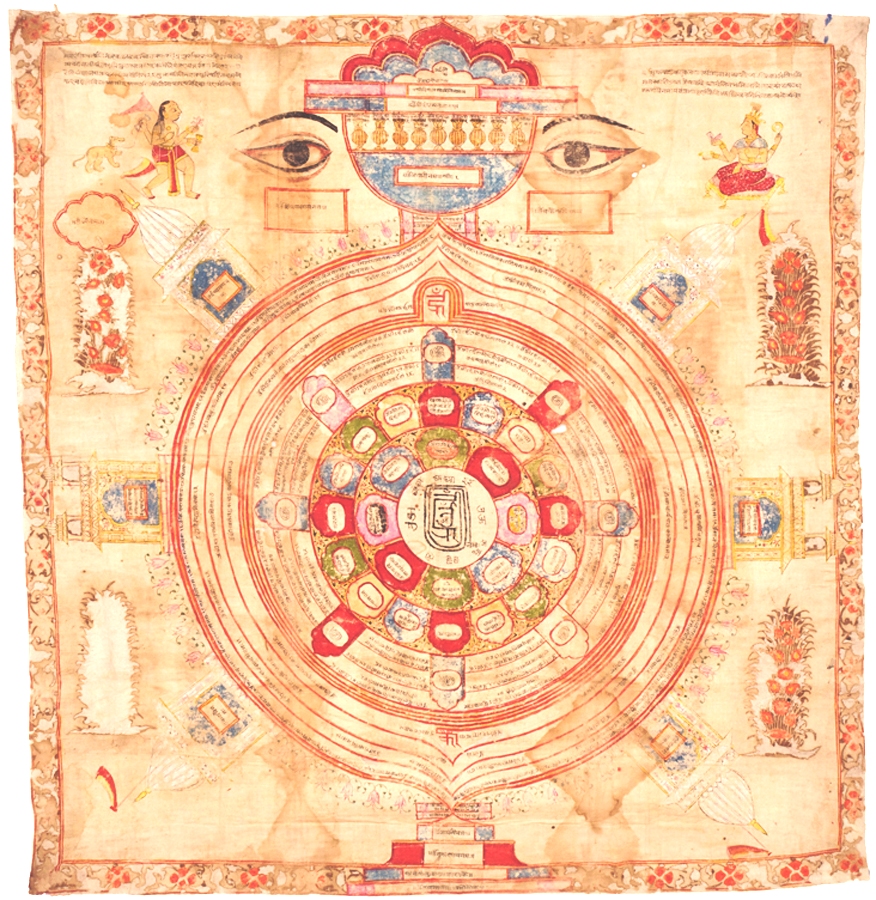 Photo: Public domain, via Wikimedia Commons

